A Window into the Baltic Sea of 1938 | Ocean Archive
URL: https://oceanarchive.net/stories/nils-kautsky-herbarium
Nils Kautsky brings Mats Waern's herbarium specimens from 1938 to Ocean Archive, preserving a record of Baltic Sea vegetation for future research.
Donations
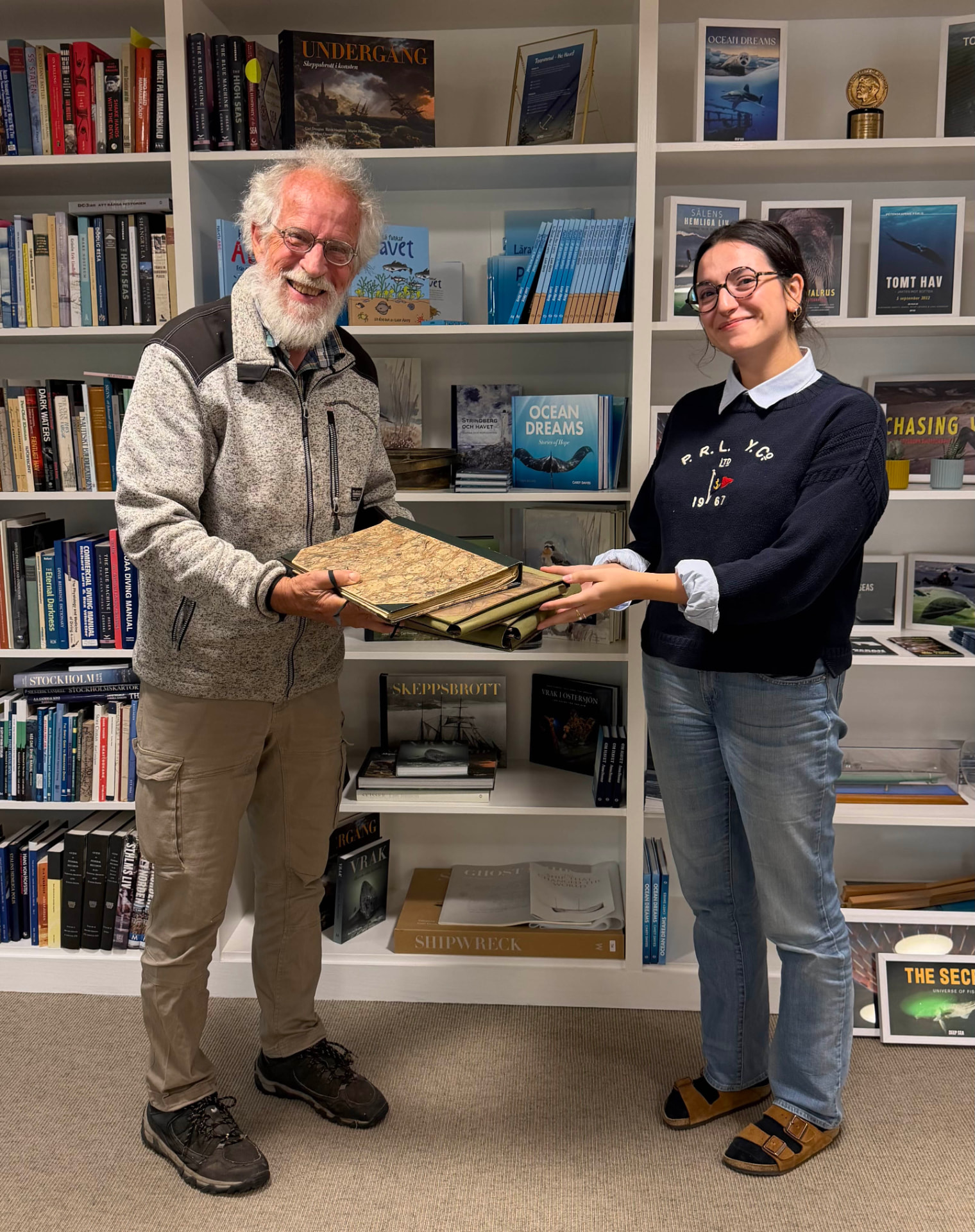
A Window into the Baltic Sea of 1938
Herbarium specimens collected by Mats Waern in 1938 offer a physical record of Baltic Sea vegetation almost ninety years ago.
Ocean Archive Team · September 2026 · 4 min read
This week, Ocean Archive had the pleasure of welcoming **Nils Kautsky**, marine ecologist and Professor Emeritus at Stockholm University, whose research has contributed to our understanding of marine and coastal ecosystems for several decades.
Much of Kautsky’s work has been connected to the Baltic Sea, ranging from benthic ecology and coastal ecosystems to mussels, aquaculture and the effects of human activity on marine environments. Throughout his career, historical observations have played an important role in understanding how the Baltic Sea has changed over time.
This made the material he brought to Ocean Archive particularly special.
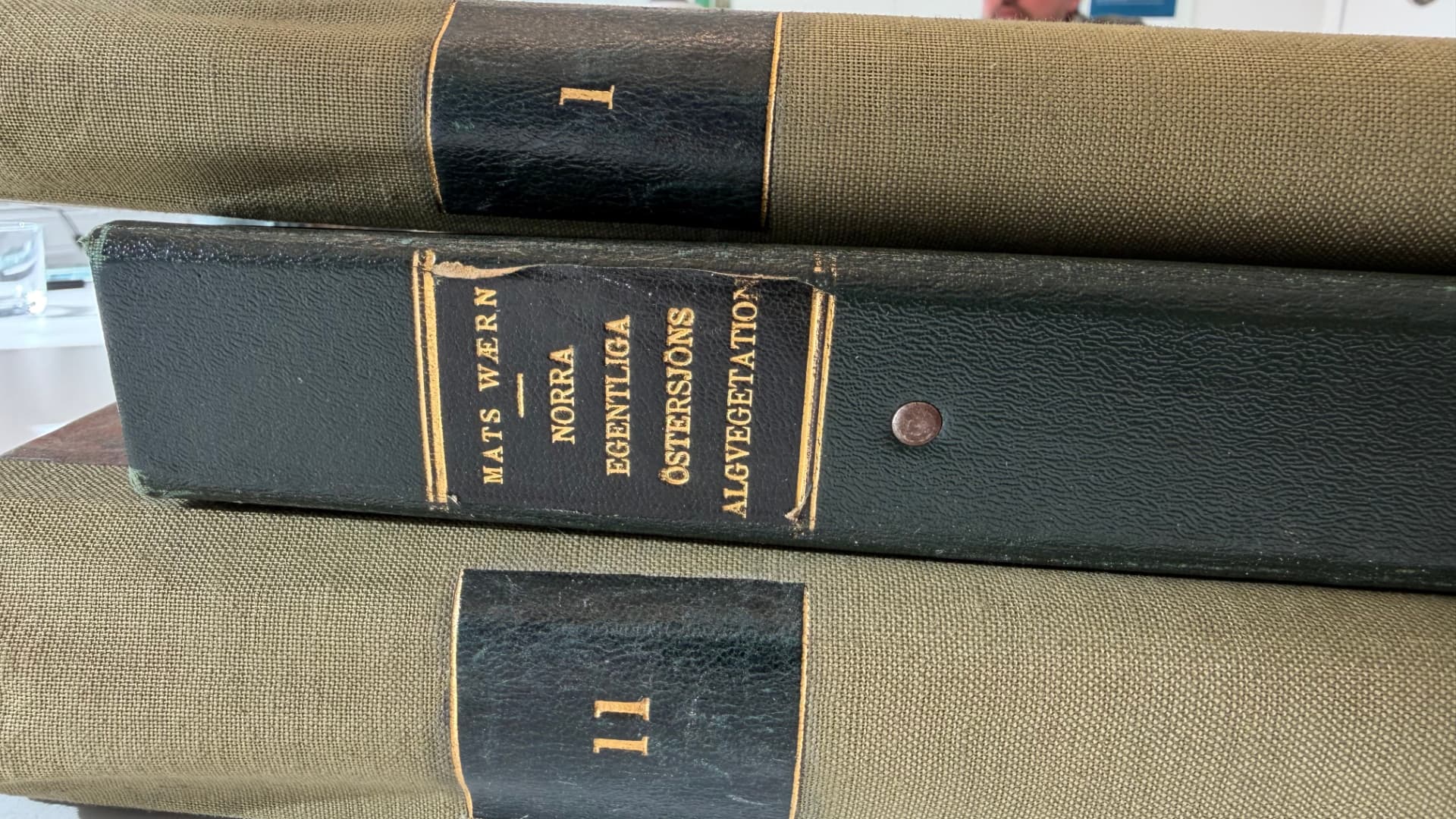
Among the collection were **herbarium specimens collected by Swedish algologist Mats Waern in 1938** — carefully preserved samples providing a physical record of aquatic vegetation from almost nine decades ago.
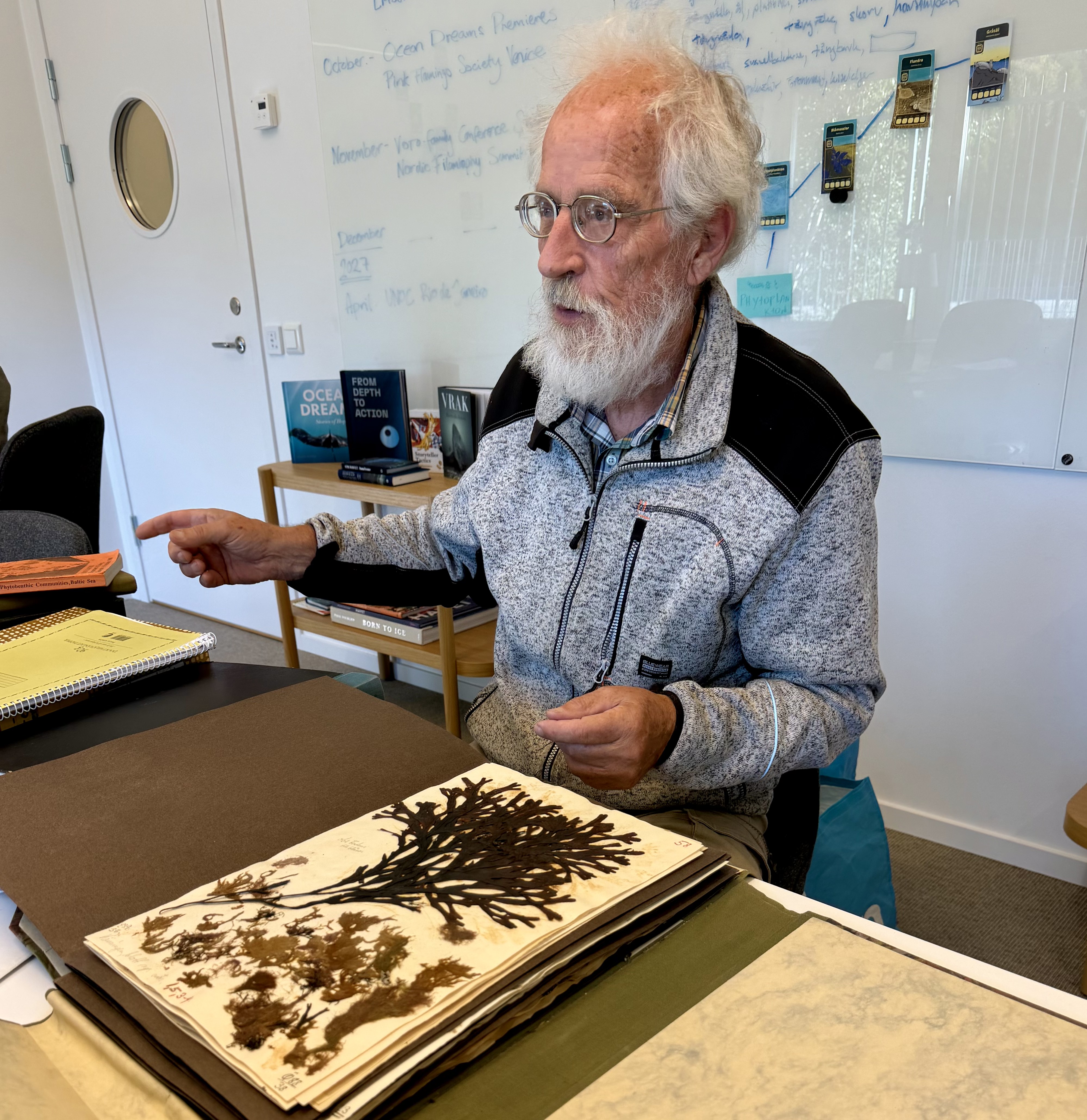
Waern (1912–1998) became one of Sweden’s prominent researchers on algae and was also a pioneer of scientific diving. Long before modern scuba equipment became widely available, he developed methods for observing and collecting algae beneath the surface. His detailed surveys of Swedish coastal waters later became exceptionally valuable reference points for marine scientists studying environmental change.
Decades after Waern's original fieldwork, researchers including Nils Kautsky returned to some of the same areas. By comparing new observations with Waern's historical records, they could document substantial changes in Baltic Sea vegetation. One important study published in 1986 showed that the lower depth limit of bladderwrack (*Fucus vesiculosus*) had moved towards shallower water compared with observations made in the 1940s — providing evidence of the long-term effects of eutrophication and reduced water clarity in the Baltic Sea.
That is what makes historical scientific material like this so valuable.
A herbarium specimen is more than a preserved plant. Together with information about where and when it was collected, it becomes a measurable record of an ecosystem at a specific moment in history. When combined with modern observations, such material can help researchers reconstruct changes that would otherwise be impossible to document.
The specimens brought to Ocean Archive by Nils Kautsky will now be carefully photographed and documented, creating a high-resolution digital record while preserving the original material.
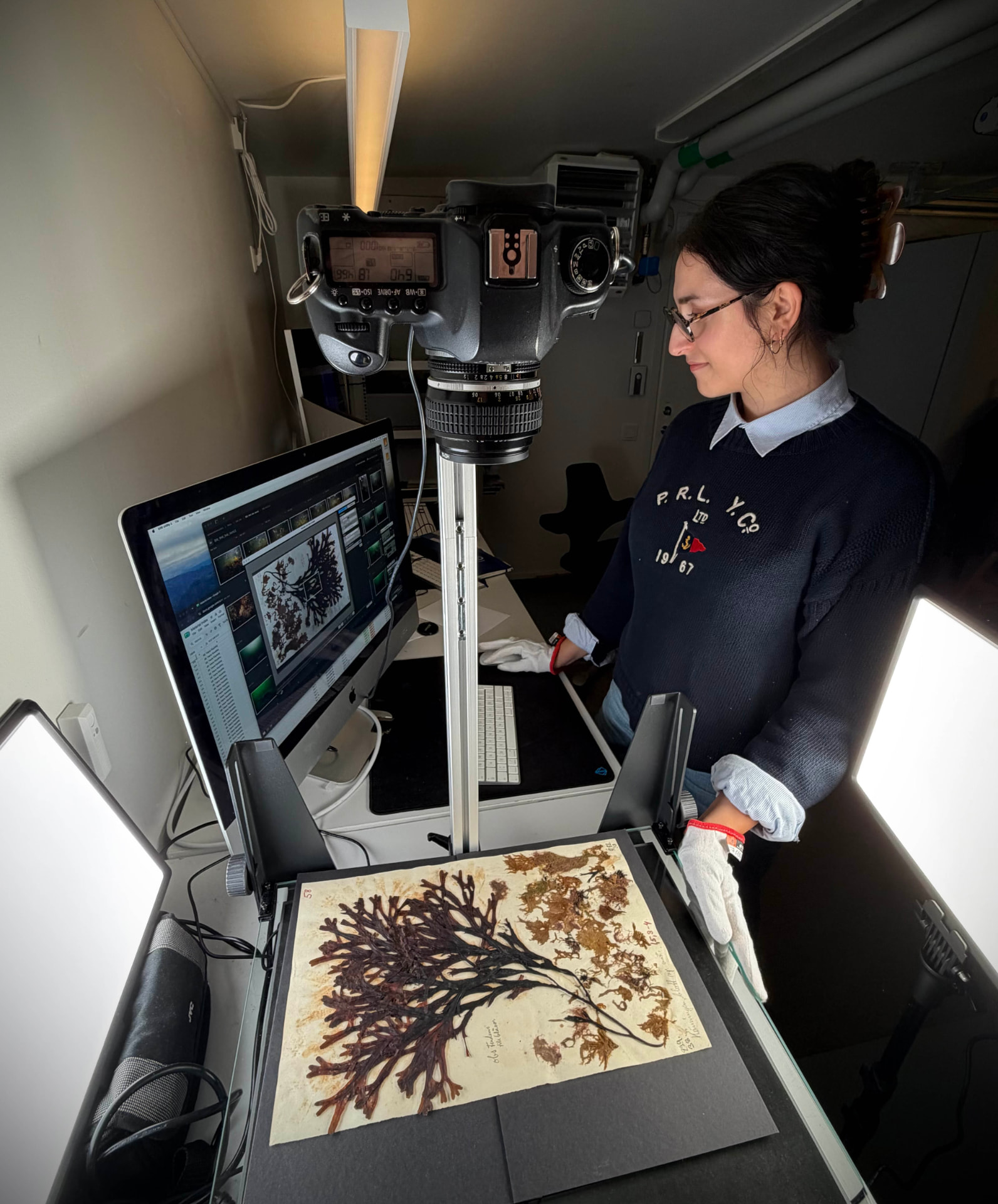
Collected in **1938**, these samples have already travelled through almost ninety years of scientific history. By preserving and documenting them today, we hope they can continue that journey — serving as a reference for researchers trying to understand the Baltic Sea of tomorrow.